
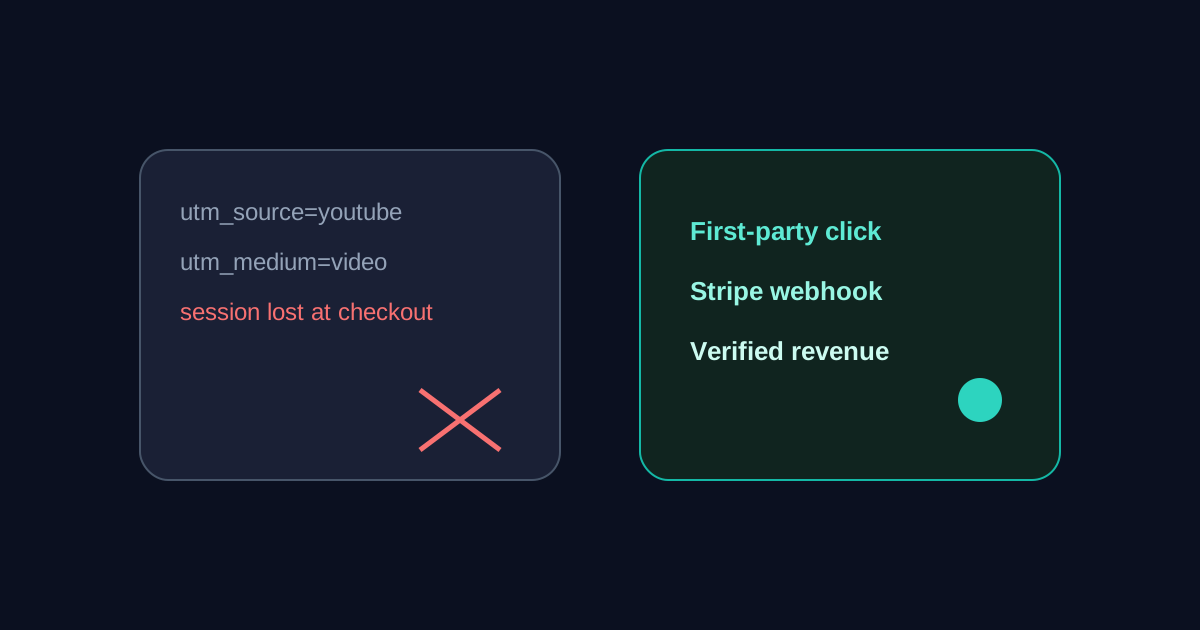
UTMs measure sessions, not certainty
UTM parameters help Google Analytics and similar tools bucket traffic by source, medium, and campaign. They are a labeling system for web sessions.
Creator revenue often completes on a hosted checkout, days later, on another device, or after the query string was stripped by a redirect. Labels disappear. Money still moves.
Clicks without purchases create false winners
A link shortener that only reports clicks will crown the video with the loudest CTA — not the one that converts. That pushes creators to make more clickbait and less selling content.
Revenue-per-click and verified purchase counts invert that incentive: you optimize for buyers.
What to use instead (or on top)
Keep UTMs if you like them for analytics hygiene. Add a first-party tracking redirect that records the click on your domain, then reconcile Stripe webhooks to that click.
When both exist, UTMs explain traffic shape; verified purchases explain the business.
A practical rule
If a metric cannot survive “the buyer paid on Stripe after leaving YouTube,” it is not your primary success metric. Treat it as supporting context only.