
Offline does not mean unattributable
A talk, a workshop slide, a podcast read, or a packaging insert can drive serious revenue. The problem is not demand — it is the missing click identity between the moment of attention and the checkout.
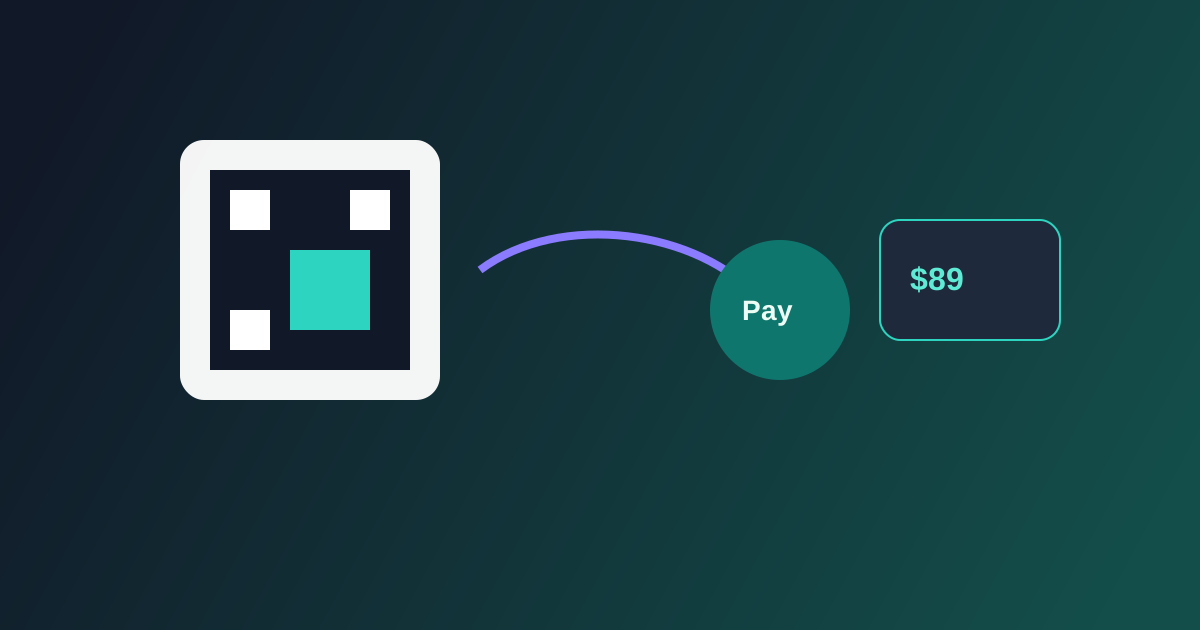
A QR code that opens a unique tracking URL gives you that identity without asking the audience to type a long link.
One QR per placement
Treat each physical or spoken placement like a video: its own tracking link and QR. That way “stage left slide” does not get mixed with “podcast episode 42.”
Download a clean PNG or SVG so the code stays scannable when printed or shown on a projector.
Same engine as digital content
Once the phone opens your tracking link, the rest of the path matches YouTube: destination → Stripe → verified purchase on that link. Offline and online content live in one ranking.
That single leaderboard is how creators decide what to repeat on stage and what to cut.
Avoid common QR mistakes
Do not reuse one generic bio QR for every event. Do not shrink the code until cameras fail. Do not point QR codes at a home page with no offer — send people toward the same checkout you would use in a video description.